
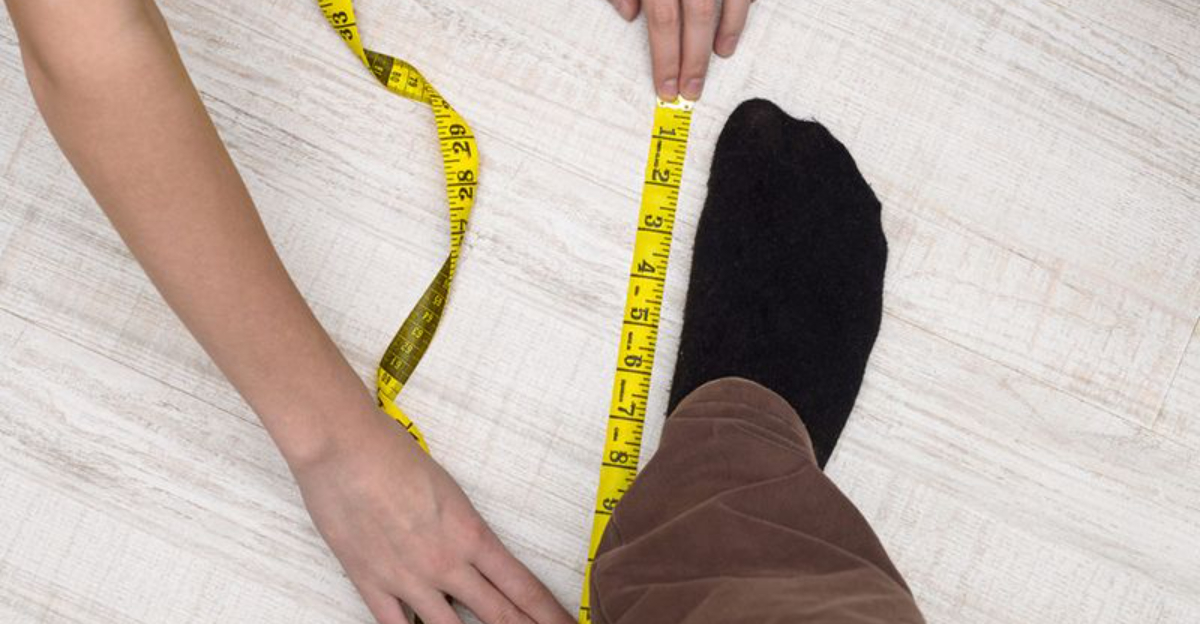
You may still be rocking the same shoe size you’ve worn for decades—but your feet might be telling a different story. After 50, it’s not uncommon for your once-reliable fit to feel a little off. Maybe your favorite pair suddenly feels snug, or walking in your go-to sneakers isn’t quite as comfortable as it used to be. That’s because, just like the rest of your body, your feet change with age. Arches shift, joints stiffen, and padding thins out—all of which can subtly (or not so subtly) affect how your shoes fit. If you haven’t had your feet measured in years, now’s the time. Here’s what footwear experts want you to know about how—and why—your shoe size might be different after 50.
1. Feet Naturally Flatten Over Time
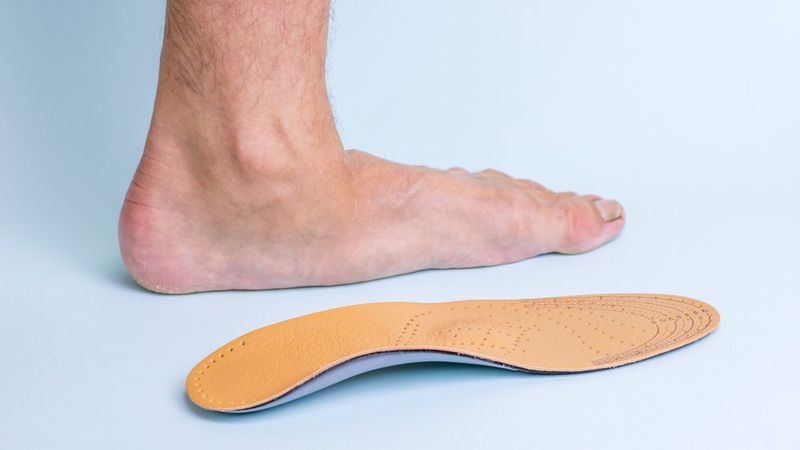
Aging brings about many transformations, and one often overlooked is the flattening of the feet. As ligaments and tendons weaken, the arches may lower, causing feet to lengthen and widen slightly. This subtle shift can influence your shoe fit, making it crucial to reassess your size.
When the arch collapses, the foot not only changes in shape but also in how it bears weight. Over time, this transformation can lead to discomfort if your shoes don’t accommodate these changes.
It’s important to be mindful of these adjustments to maintain proper foot health and comfort, especially as you pass the 50-year mark.
2. Loss of Fat Padding
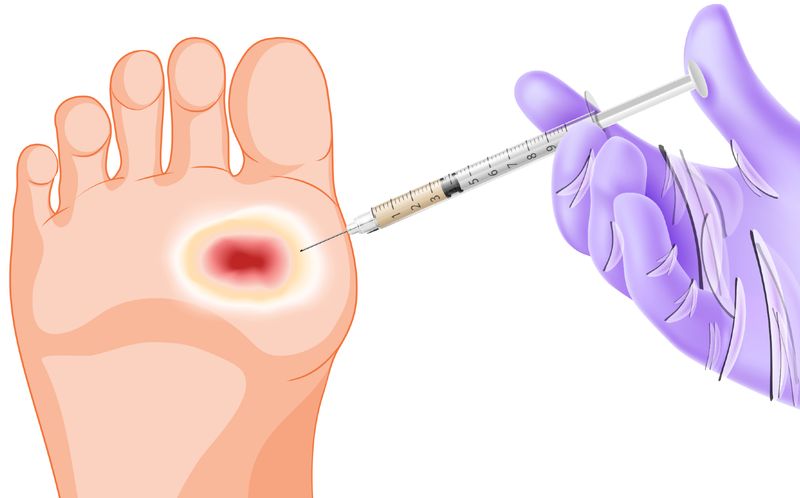
Have you noticed your feet feeling sharper against the ground? This might be due to the loss of natural fat padding, a common change with age. As these pads thin, the soles become less cushioned and more sensitive to pressure.
This change demands shoes that offer better support and perhaps more room to accommodate the newfound sensitivity.
Selecting footwear with enhanced cushioning or orthotic inserts can provide the comfort needed to counteract this alteration.
Embracing this change and choosing the right shoes can significantly enhance daily comfort and foot health.
3. Changes in Weight or Activity Levels
Life’s journey often involves shifts in weight or activity levels, affecting foot size and shape. Whether you’ve gained or lost weight, or modified your daily movement, these changes can pressure your feet to spread, especially at the ball.
The impact of these changes is often underestimated, yet they play a crucial role in foot comfort and shoe fit.
Adjusting your shoe size to match these developments ensures that your feet receive the support they need, reducing the risk of discomfort or injury.
4. Joint Changes or Arthritis
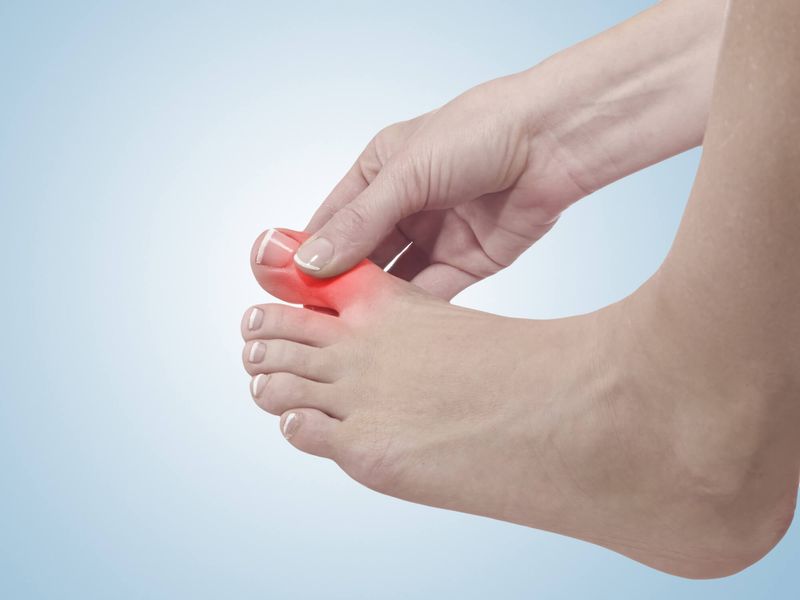
Age brings wisdom and sometimes joint changes, including arthritis, profoundly affecting foot structure. Swollen joints or bunions can lead to shoes feeling tighter or uncomfortable.
These changes necessitate a rethink of your shoe size to accommodate swelling or joint enlargement.
Finding shoes with a broader fit or adjustable features can relieve pressure and enhance comfort, making everyday activities more enjoyable.
Foot health is crucial for maintaining mobility and independence, and the right shoe choice can make all the difference.
5. Foot Conditions Like Plantar Fasciitis or Flat Feet
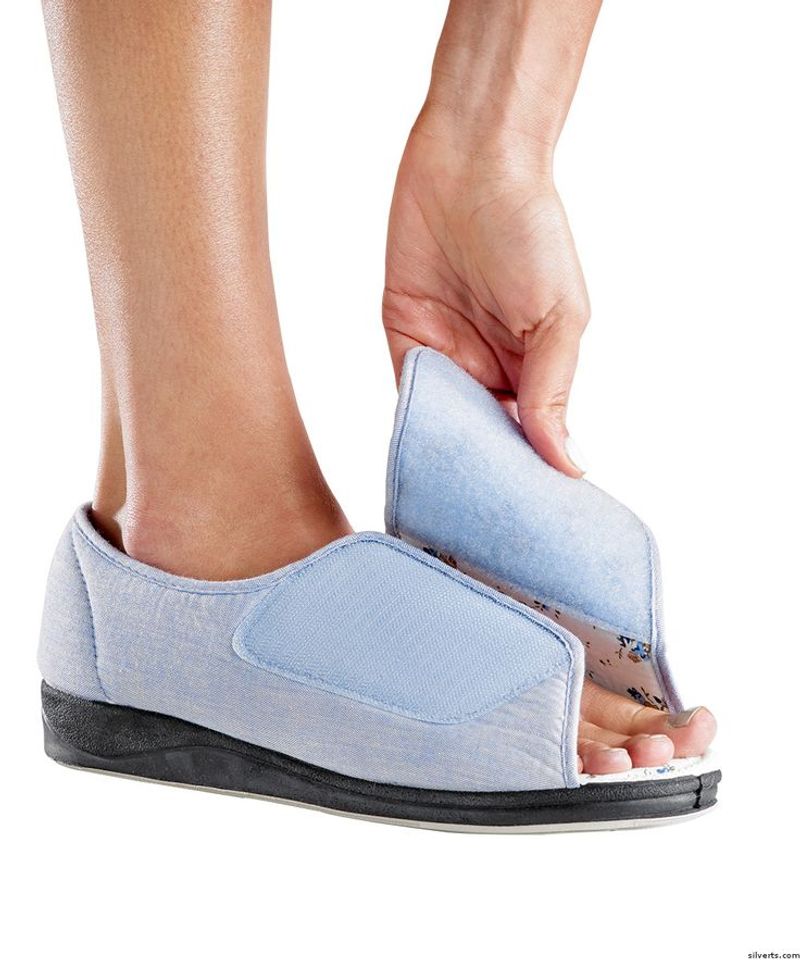
With age, conditions like plantar fasciitis or flat feet may develop, altering how your feet carry weight. These conditions often result in discomfort that necessitates a change in shoe fit or size.
Shoes designed to provide extra arch support or cushioning can alleviate pain and improve your mobility.
Being proactive about these conditions ensures that your feet are well cared for, allowing you to maintain an active lifestyle with minimal discomfort.
6. Swelling and Circulation Issues
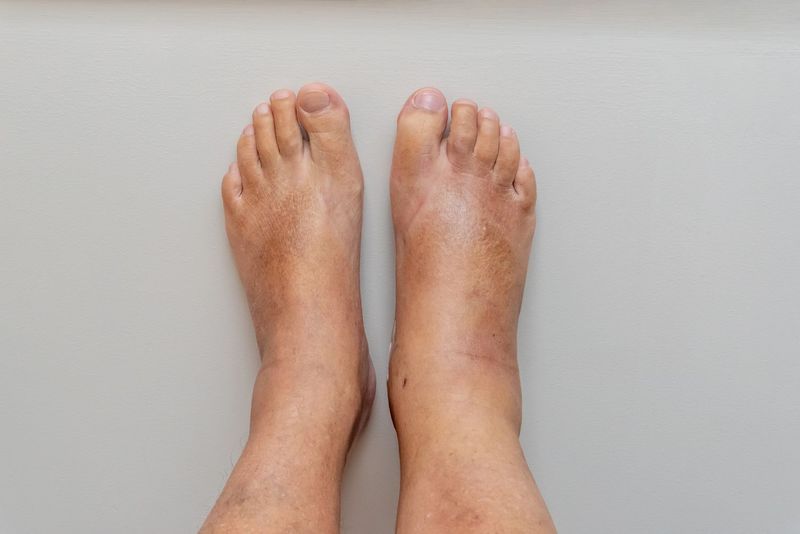
Many older adults experience foot swelling, known as edema, particularly in the later hours of the day. This condition may cause your shoes to fit snugly even if they seem fine in the morning.
Considering a wider shoe size or styles that adapt to swelling can provide relief and prevent pressure points.
Being attentive to these changes can significantly impact your foot health and overall comfort, allowing you to enjoy daily activities without the worry of shoe-induced pain.
7. You Haven’t Measured Your Feet in Years
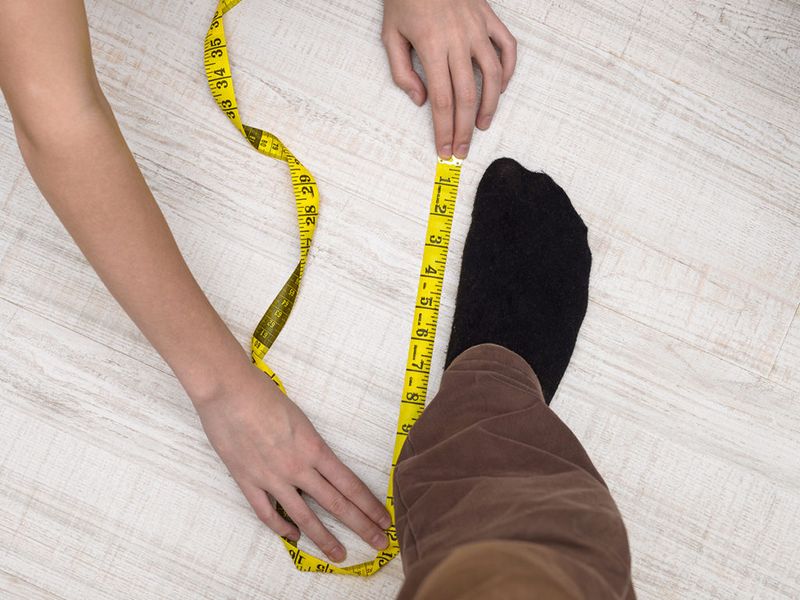
When was the last time you measured your feet? This question is essential, as many assume their size remains constant.
Even slight changes in foot size can impact comfort, so it’s crucial to check your size every year or two, especially after 50.
Regular measurements ensure that your shoes fit well, providing the necessary support and comfort to keep you on your feet and enjoying life.