

A stylish shoe might catch your eye—but if it falls apart after a few wears or leaves you with blisters, it’s not worth the space in your closet. The truth? Poor construction can lurk behind even the trendiest designs. And when you’re shopping on a budget or buying online, knowing how to separate quality from quick-fix fashion is essential. That’s why we asked footwear experts how to spot a poorly made shoe in under 30 seconds. From flimsy soles to sloppy stitching, these quick tips will help you avoid buyer’s remorse—and make smarter style investments with every step.
1. Check the Stitching—Is It Even and Tight?
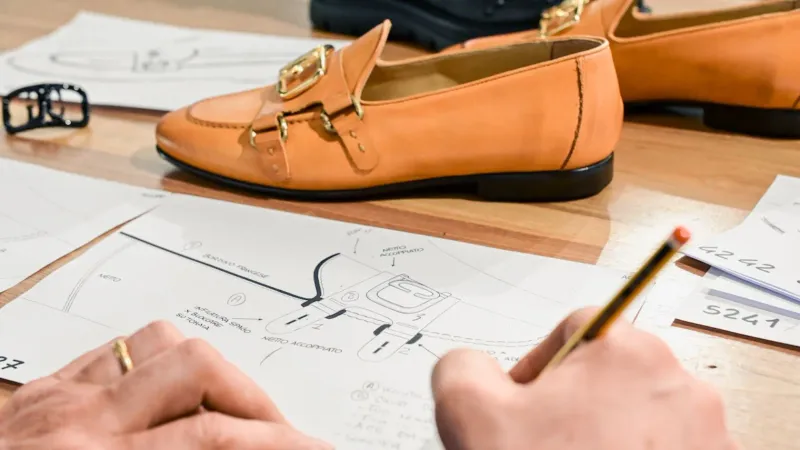
As a seamstress would say, good stitching is the backbone of any garment. For shoes, uneven, loose, or fraying stitches can be a red flag. When evaluating footwear, pay close attention to the seams. High-quality shoes boast consistent, straight stitches, particularly where the outsole meets the upper.
A sloppy seam might not seem significant, but it often indicates a rushed manufacturing process. The aesthetic appeal is not the only concern—integrity and longevity are at stake. Proper stitching ensures the shoe holds together, withstanding daily wear and tear. This simple visual check might save you from future disappointment.
2. Smell the Materials—Yes, Really
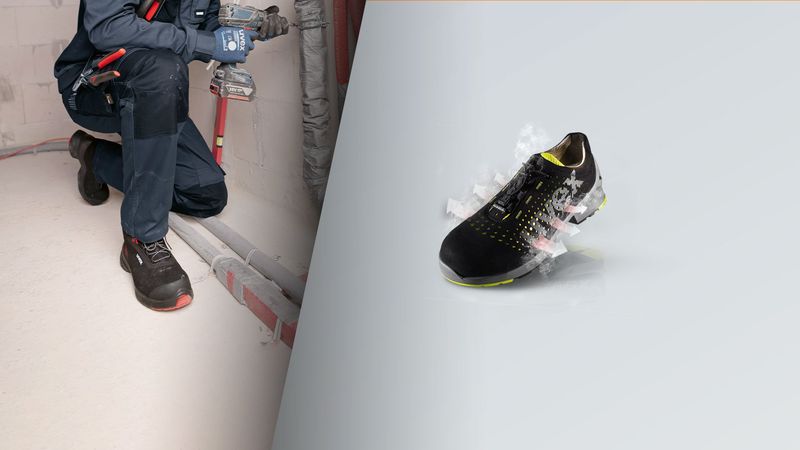
Imagine walking into a store and picking up a shoe, only to be hit with a strong chemical odor. This unpleasant scent might indicate the use of synthetic glue or cheap materials. Quality shoes, often made from real leather or suede, tend to have a mild, natural aroma.
Your nose can be an unexpected ally in identifying inferior products. While it may seem unusual, a quick sniff test can reveal more than meets the eye. If a shoe smells overwhelmingly artificial, it could be a sign to walk away. Let your senses guide you to a better purchase.
3. Flex the Sole Gently—Does It Feel Flimsy or Stable?
The strength of a shoe lies in its ability to flex with your foot. A gentle bend at the ball of the foot should reveal much about its construction. Shoes that are too stiff might lack the necessary support for comfort, while overly soft soles may not provide adequate durability.
Footwear should flex where your foot naturally bends, offering stability without compromising comfort. This simple test helps in assessing the shoe’s potential lifespan. A flimsy sole suggests shortcuts in the design process. If it doesn’t feel right during a quick flex, it’s wise to consider other options.
4. Inspect the Insole and Lining
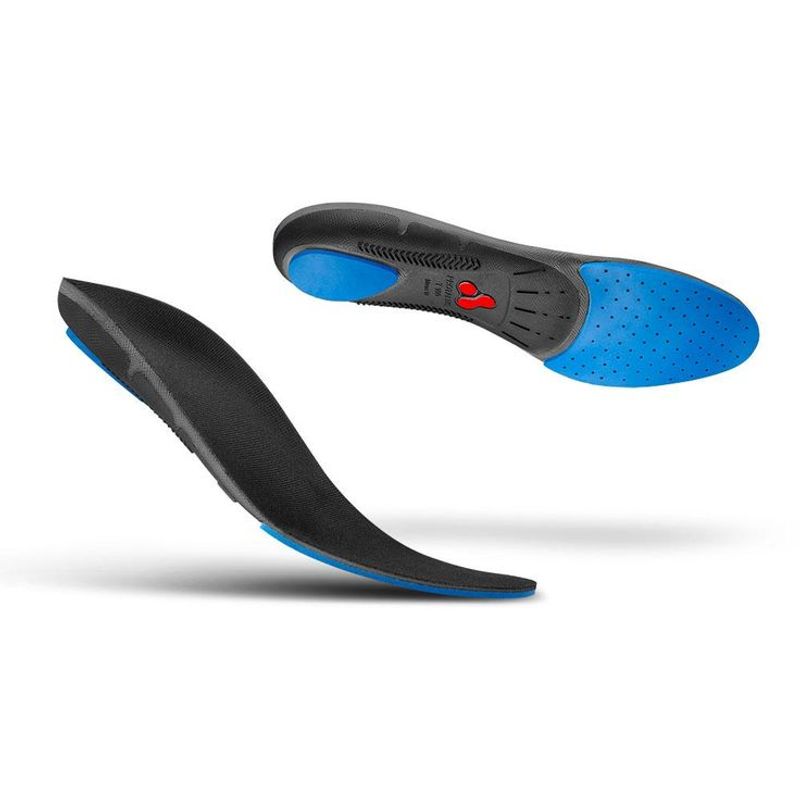
Peering inside a shoe can unveil hidden truths about its quality. Lift the insole, if possible, to examine what’s underneath. Cheap shoes often hide thin, glued-in foam. In contrast, high-quality shoes feature cushioned, stitched, or molded insoles with a polished interior.
Seeing exposed glue or loose fabric is a telltale sign of poor craftsmanship. A finished interior speaks volumes about attention to detail during production. While it may seem trivial, this check can predict comfort and longevity. A well-made insole not only feels good but lasts longer, ensuring satisfaction with every step.
5. Look at the Outsole Grip and Thickness

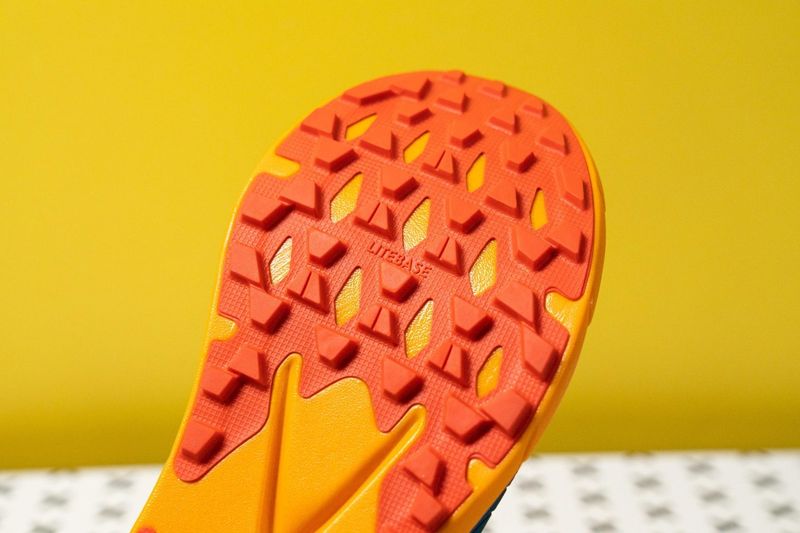
The outsole is the shoe’s first line of defense against wear, and its design speaks volumes about quality. Low-quality shoes often have thin, flat, or overly smooth soles that wear down quickly. A good pair should have some texture or tread and feel sturdy underfoot.
A hollow or plastic feel can indicate cost-cutting measures during production. Proper outsole grip ensures safe walking on different surfaces, while thickness contributes to durability. This quick visual test provides insight into the shoe’s overall performance and reliability.
6. Examine the Heel Attachment
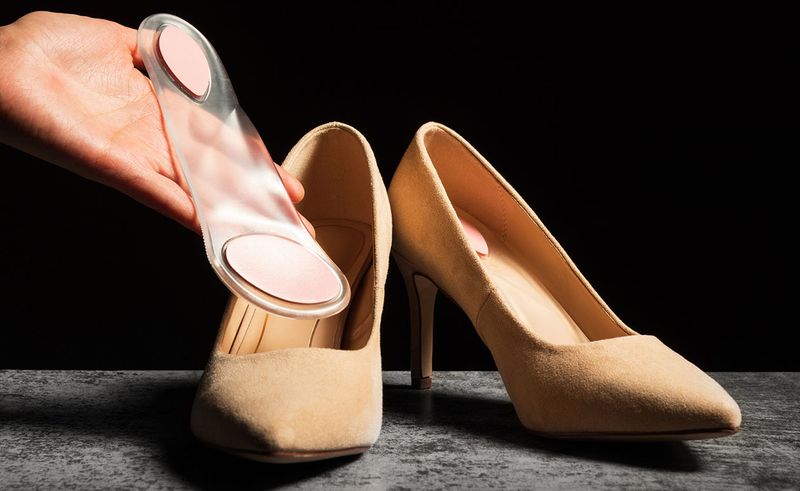
The heel is an essential component that dictates both style and functionality. When examining shoes, gently wiggle the heel to check its attachment. A loosely secured heel often signifies shortcuts in production, potentially leading to uneven wear or detachment.
A stable heel provides confidence with every step. It’s not just about aesthetics; a secure heel means fewer trips to the cobbler. This quick check ensures you’re investing in footwear that supports your lifestyle without compromising quality.
7. Tap It—Does It Sound “Cheap”?

A quick tap test can reveal a shoe’s true nature. Tapping the shoe gently against a hard surface exposes its construction material. A hollow, plasticky sound often means cheap filler materials were used. Conversely, a denser, muted sound indicates better craftsmanship.
This simple auditory test can prevent buyers from falling for flashy designs with poor durability. The sound a shoe makes is as telling as its look, offering insights into the materials used and the effort put into its making. Listen carefully, and choose wisely.