
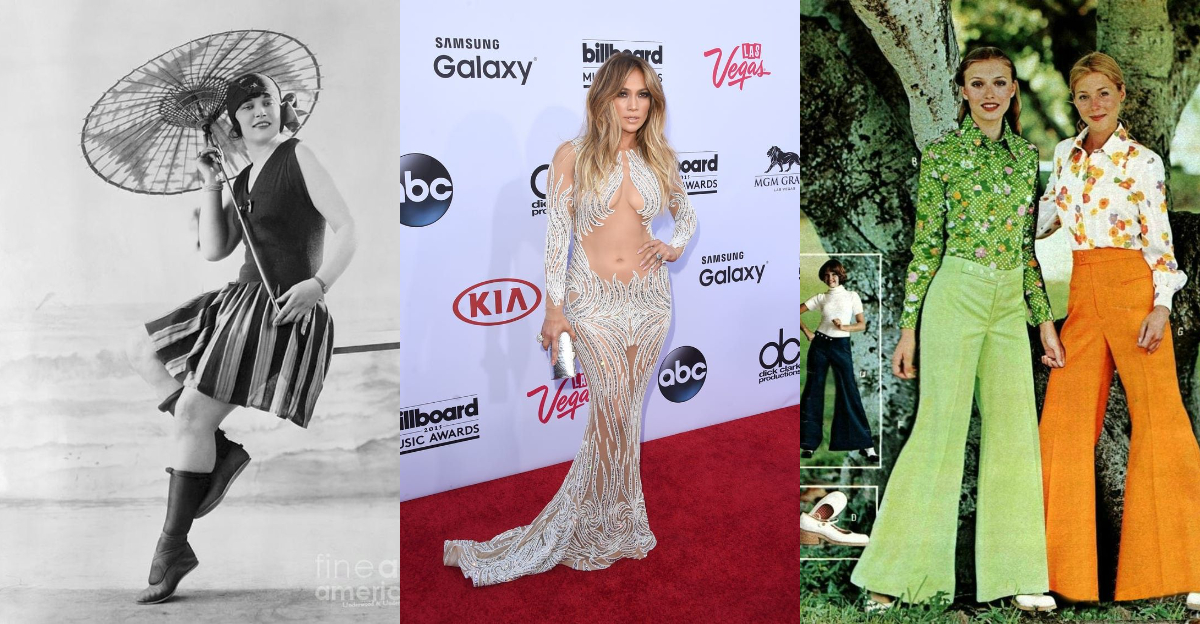
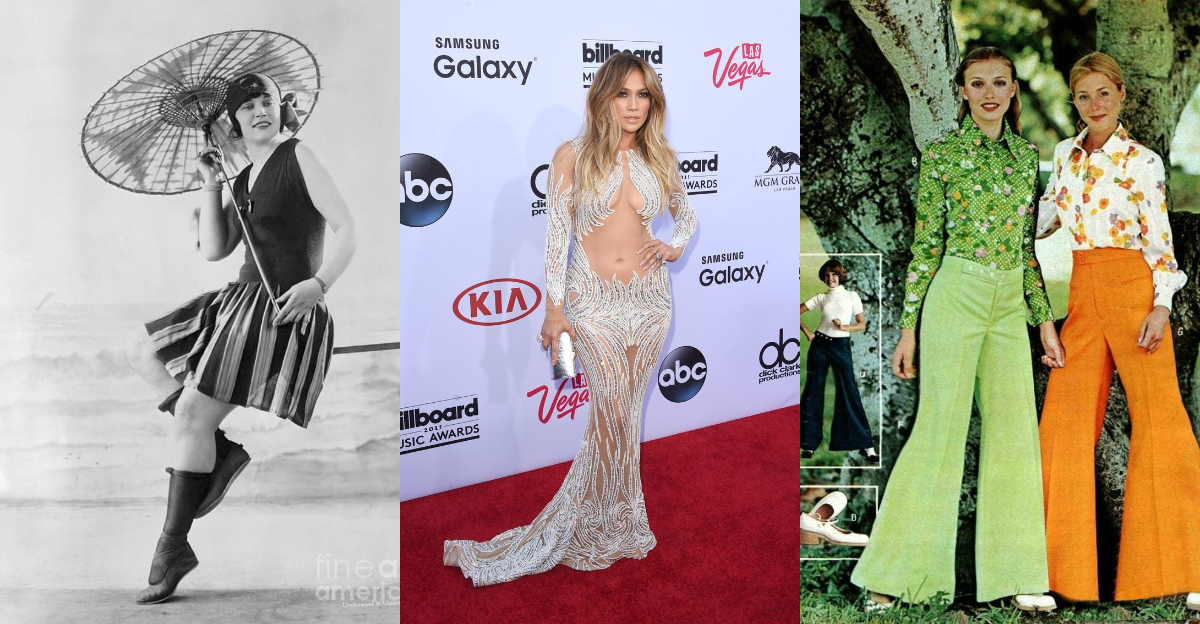
Fashion is an ever-evolving expression of culture, but not all trends withstand the test of time. Let’s explore some of the most infamous fashion fails from the past century, each representing a distinct decade.
These items might have seemed like the height of style back then, but today, they are mostly remembered with a mix of nostalgia and embarrassment. From the restrictive corsets of the 1900s to the barely-there “naked” dresses of the 2010s, these are the fashion missteps we’ll never forget.
1. 1900s—Corsets
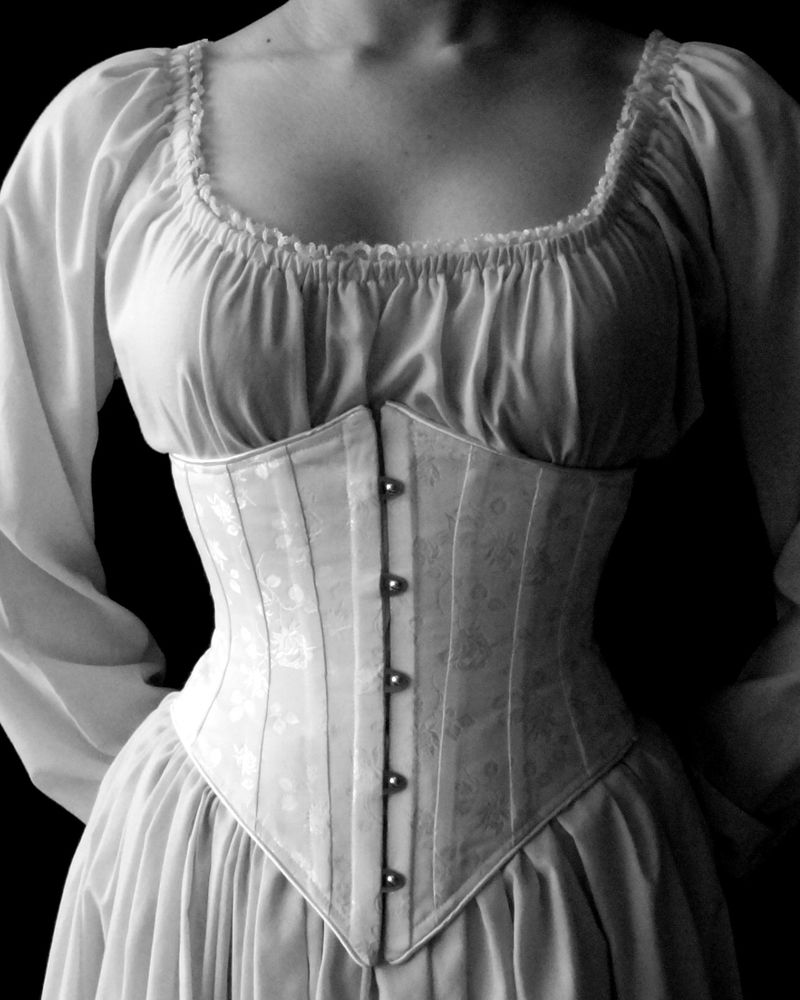
The 1900s were tightly bound by the era’s most iconic garment: the corset. Women cinched themselves into these restrictive pieces, often sacrificing comfort and health for an idealized silhouette. Imagine the daily struggle of breathing and moving freely, constrained by whalebone and lace.
Despite their aesthetic appeal, corsets represented a cultural expectation of femininity that demanded physical alteration. Many women endured discomfort, even harm, for the sake of beauty. Today, corsets are often viewed as a symbol of fashion’s more oppressive past.
2. 1910s—The Hobble Skirt
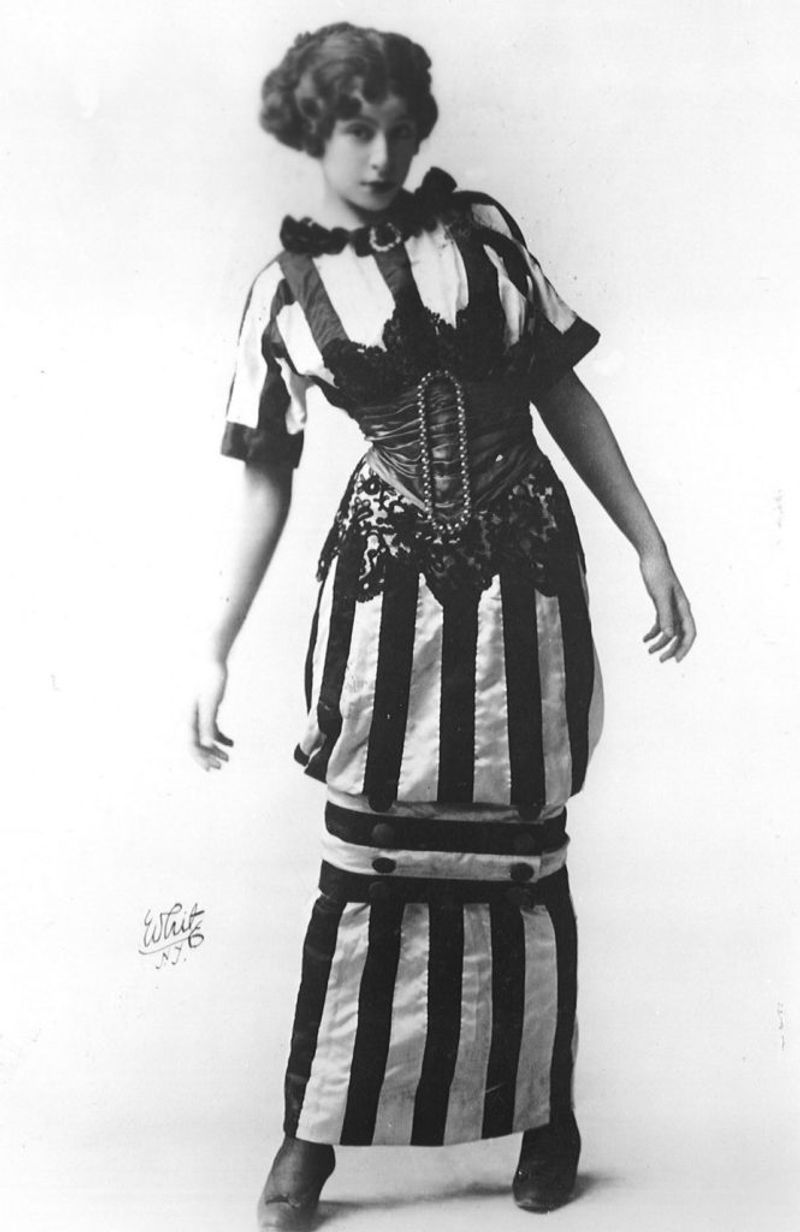
The hobble skirt of the 1910s restricted movement in the name of fashion. Designed to be narrow at the ankles, these skirts forced women to take tiny steps, quite literally hobbling them.
The peculiar design was a bold statement but came at the cost of practicality and mobility. This restrictive style ironically symbolized both progress and limitation in women’s fashion. Though short-lived, the hobble skirt remains a curious footnote in the history of dress.
3. 1920s—Bathing Suit Dresses
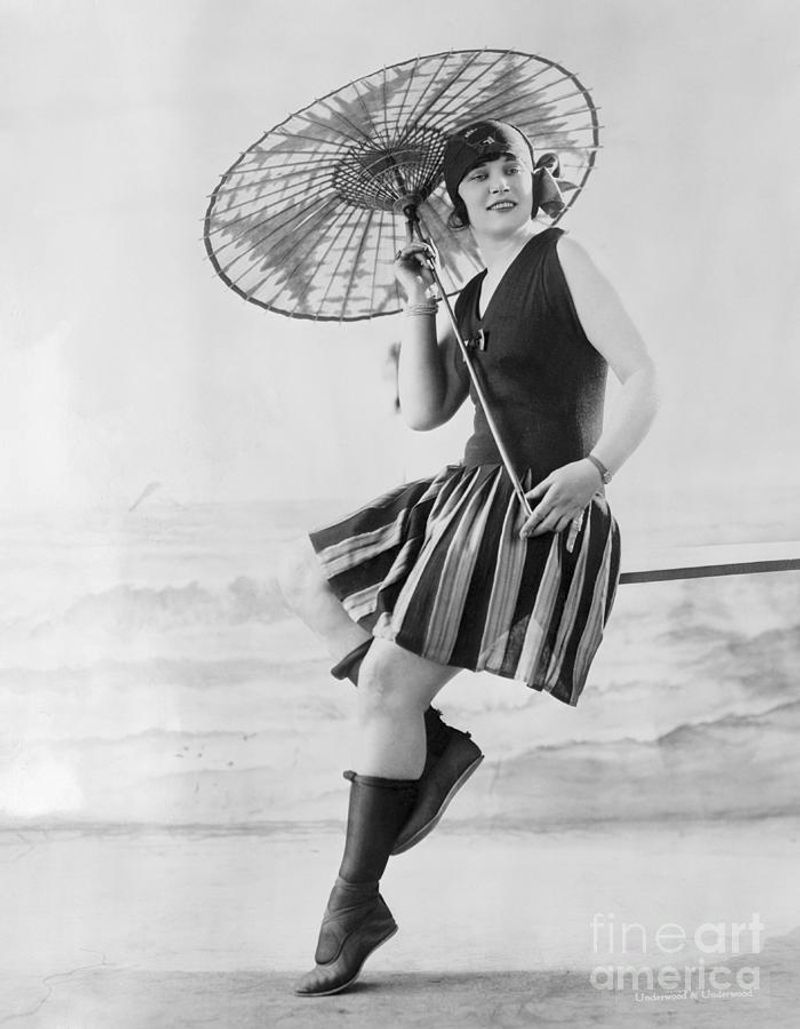
Bathing suit dresses of the 1920s were an oddity, blurring the line between swimwear and everyday attire. These garments were designed with modesty in mind, often featuring skirts and sleeves.
As swim culture grew, these impractical suits were quickly replaced by more functional designs. While they provided coverage, their weight and fabric were unsuitable for swimming. The transition to modern swimwear in later decades marked a significant shift toward practicality and freedom in beachwear.
4. 1960s—Paper Dresses
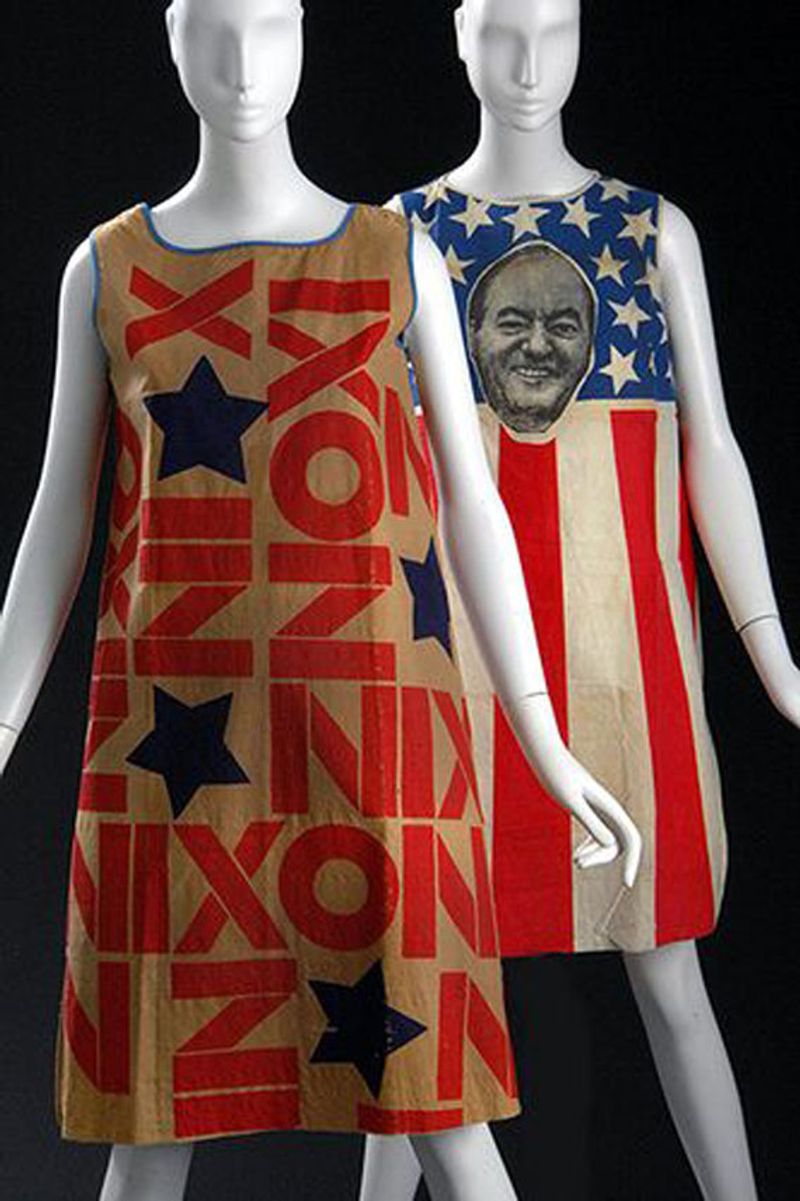
Paper dresses in the 1960s were the epitome of disposable fashion. These vibrant, often psychedelic garments were designed to be worn once and then discarded.
Though innovative and playful, the trend was short-lived due to its impracticality and environmental impact. Made from paper-like materials, they tore easily and were not environmentally friendly. Despite their fleeting popularity, paper dresses remain a quirky reminder of the decade’s experimentation with fashion.
5. 1970s—Bell-Bottoms and Disco Disasters
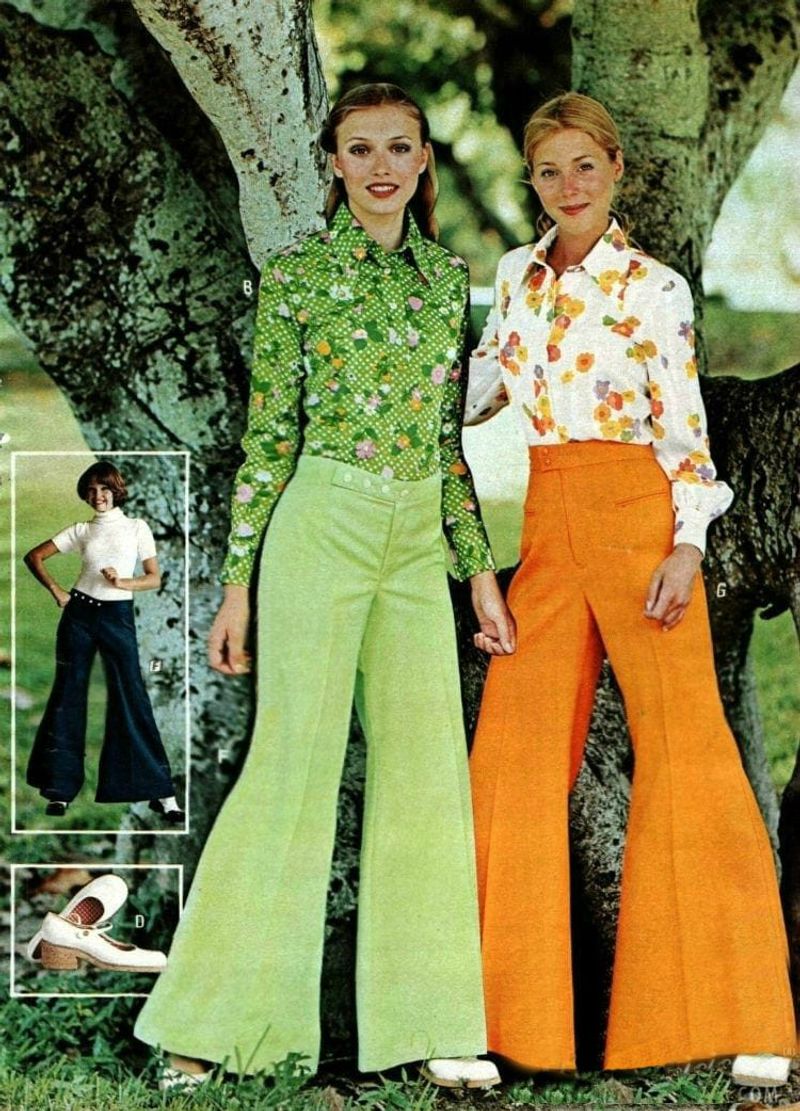
The 1970s were defined by bell-bottoms and disco, a pairing that was both iconic and widely mocked. These flared pants were a staple of disco parties, often paired with shiny, colorful shirts.
While they symbolized the era’s exuberance and freedom, the exaggerated styles quickly fell out of favor. The bold fashion statements of the disco era are remembered with both fondness and humor, capturing a time when clothing was as flashy as the dance moves.
6. 1980s—Shoulder Pads and Neon Nightmares
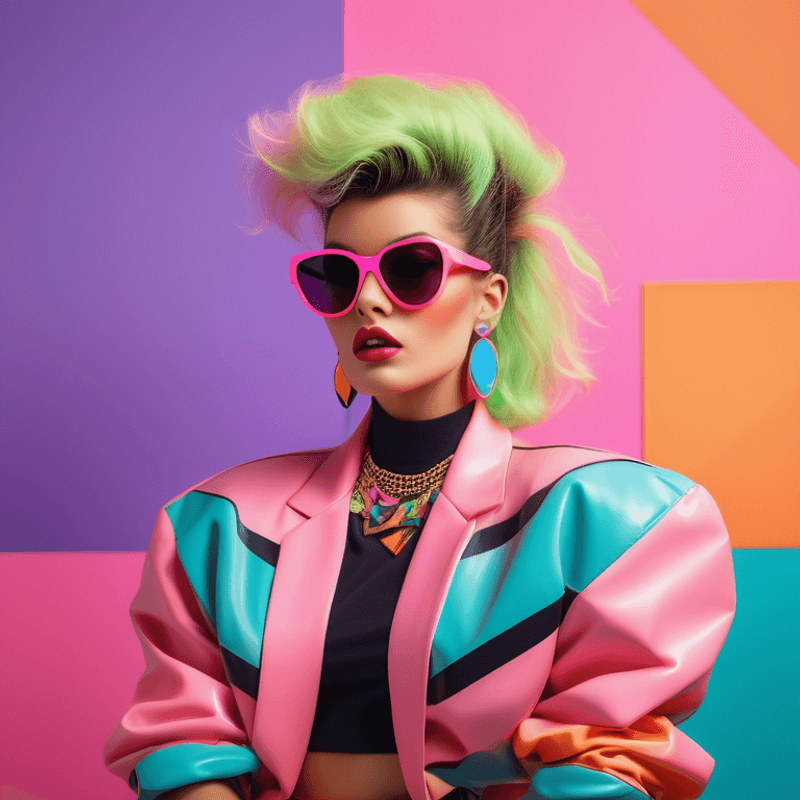
The 1980s embraced bold fashion choices, notably shoulder pads and neon colors. These elements combined to create outfits that were both empowering and overwhelming.
Shoulder pads gave a powerful silhouette, while neon added an energetic vibe, though often clashing in a cacophony of color. While celebrated for their daring nature, these styles are now often seen as excessive. They capture a decade of indulgence and vivid self-expression.
7. 1990s—Grunge Layering and Unconventional Pairings
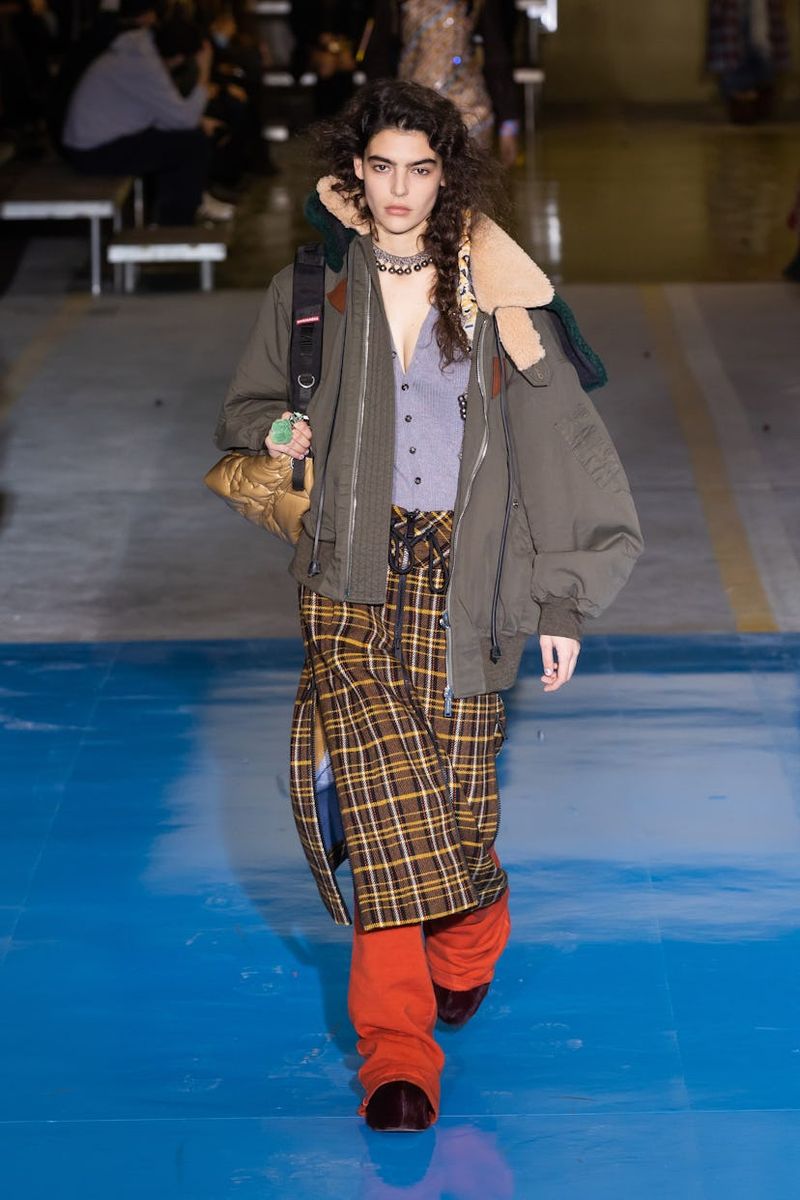
The 1990s grunge movement brought a laid-back, rebellious aesthetic to the forefront of fashion. Layering flannel shirts over t-shirts and pairing them with ripped jeans became a defining look.
While celebrated for its anti-establishment vibe, the grunge style was often criticized for appearing unkempt. This unconventional approach to fashion made a lasting impact, influencing casual wear trends for years to come. The grunge era’s legacy is one of comfort and nonconformity.
8. 2000s—Von Dutch Hats and Denim Disasters
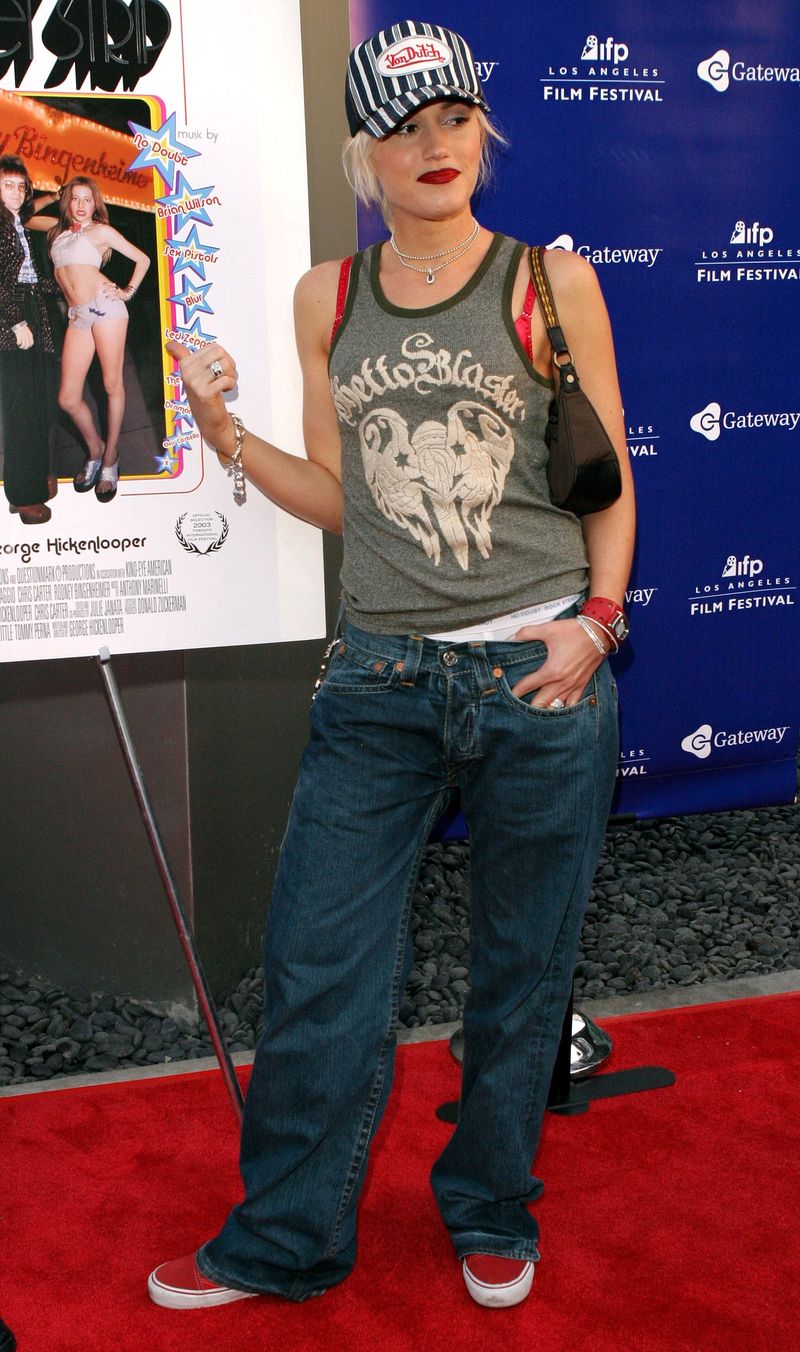
The 2000s saw the rise of Von Dutch hats and denim disasters, a combination that characterized the decade’s casual fashion. Trucker hats emblazoned with the Von Dutch logo became an unlikely status symbol.
Denim-on-denim outfits, often mismatched in shades and fit, were another hallmark. These trends, while initially popular, soon became emblematic of fashion missteps. Today, they serve as a reminder of a time when brand logos and denim ruled the streets.
9. 2010s—Extreme Cut-Outs and “Naked” Dresses

The 2010s introduced extreme cut-outs and “naked” dresses, pushing the boundaries of fashion. Celebrities embraced these daring designs on red carpets, leaving little to the imagination.
While eye-catching, the trend sparked debates over modesty and style. These revealing garments symbolized a shift towards bold personal expression, though not without controversy. The era of the “naked” dress reflects a daring approach to fashion that, for some, went too far.