
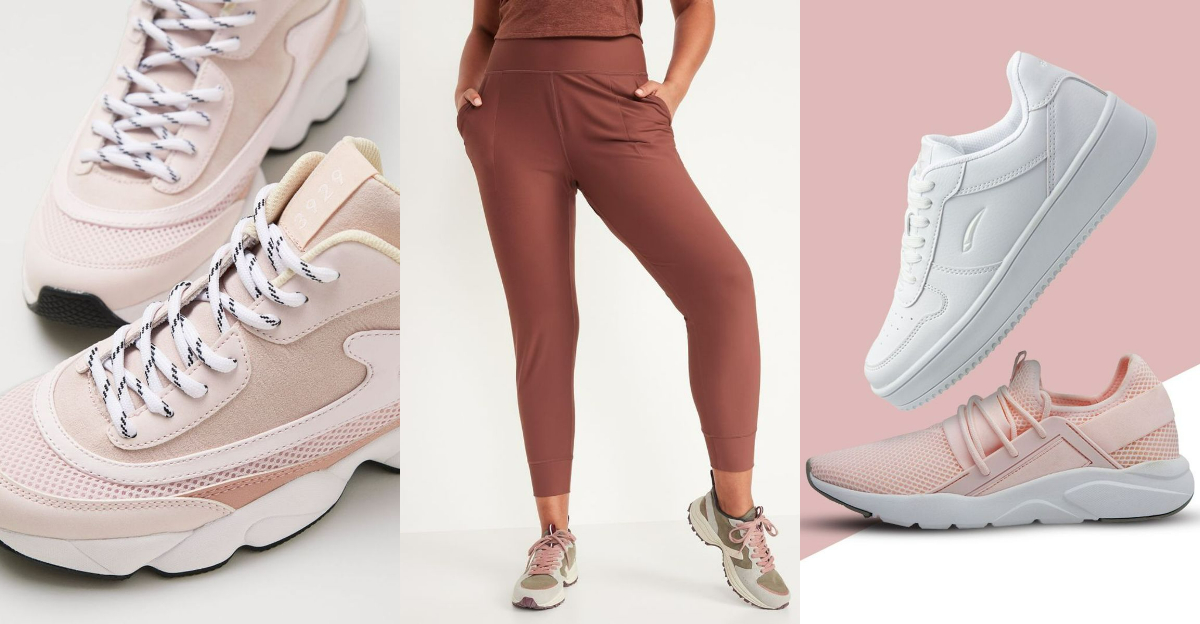
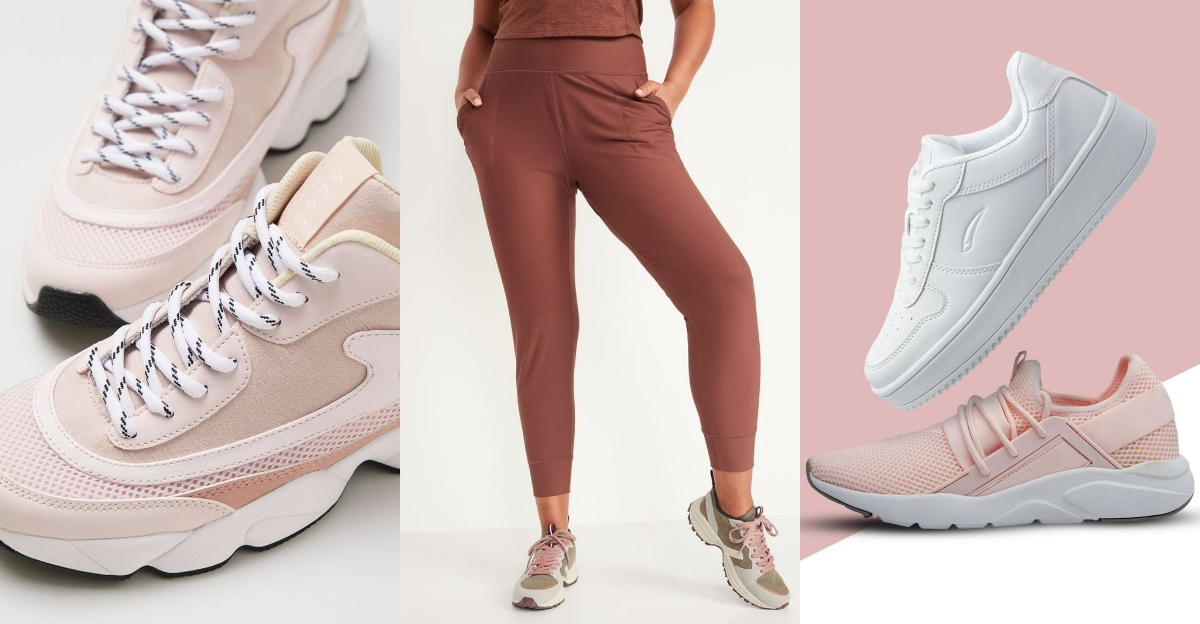
A bargain isn’t always a blessing—especially when it comes to your feet. While it’s tempting to snag a pair of running shoes for under $50, experts say that price tag could be hiding a painful truth: poor support, flimsy construction, and long-term foot problems. In fact, podiatrists and fitness pros are calling out 8 specific shoes that might be doing you more harm than good.
Before you lace up for your next run, find out which budget sneakers to skip—and why saving a few bucks today could cost you comfort (and cash) down the road.
1. Skechers Slip-On Styles
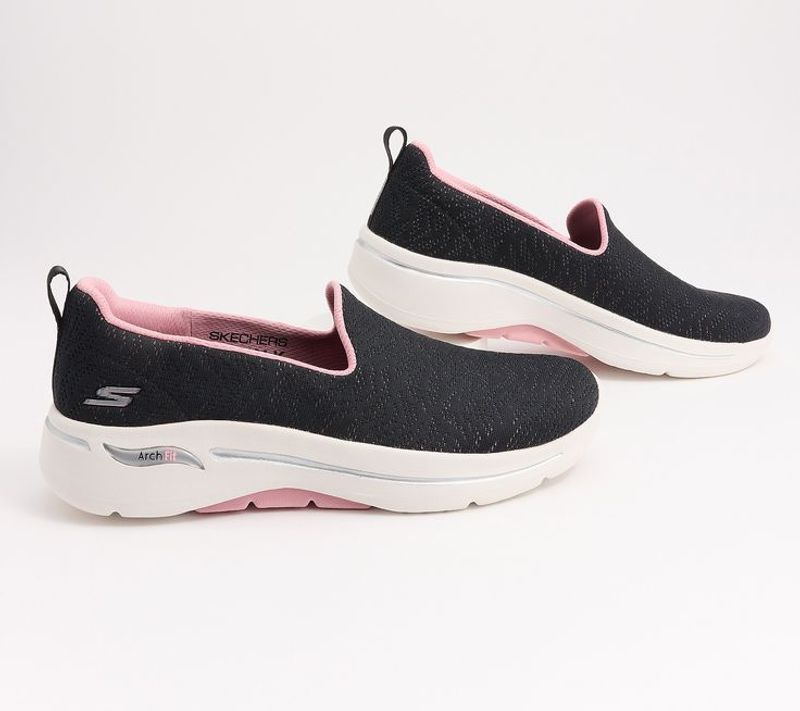
Convenience doesn’t always equate to comfort. Many Skechers slip-ons, while easy to wear, often fall short in providing the necessary arch support. This can lead to foot fatigue, especially over long distances. The lack of cushioning might seem negligible initially but becomes apparent with extended wear. Imagine walking on a hard surface without the protection your feet deserve.
This oversight in design leaves your feet vulnerable to strain. They are more suited for casual strolls than rigorous running routines. Despite their appealing exterior, they might not be the best investment for dedicated runners looking for endurance in their footwear.
2. Vans Classic Slip-Ons
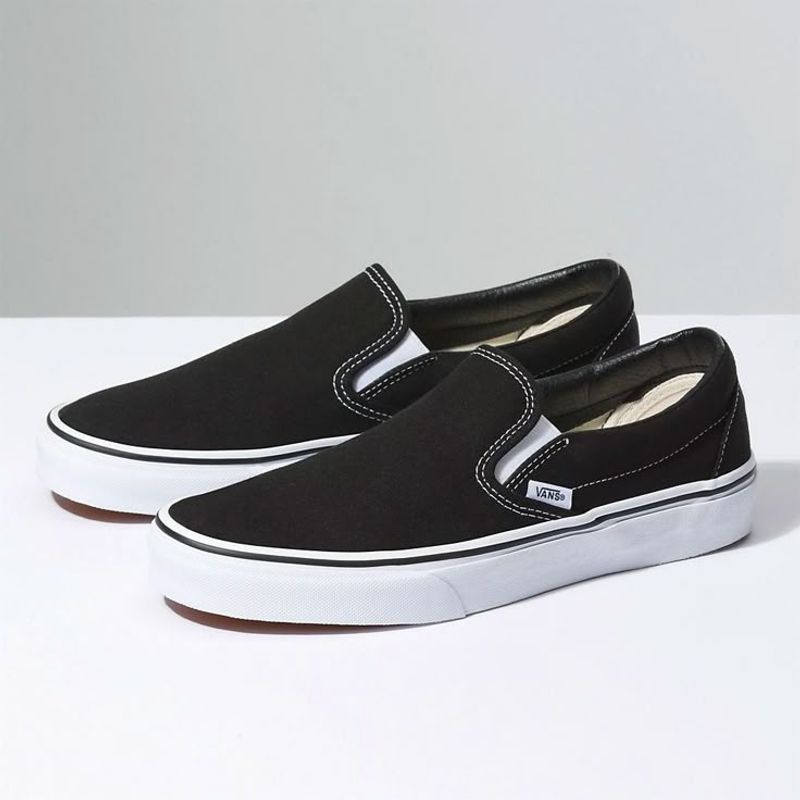
Fashion often meets function, but not always effectively. Vans Classic Slip-Ons are a staple in style but miss the mark for athletic performance. These shoes are adored for their sleek design and cultural prominence. However, their construction doesn’t cater to the needs of a runner. The absence of support mechanisms can lead to discomfort during extended use.
While perfect for casual outings, they’re not designed for impact-heavy activities. This style-first approach sacrifices the essential features needed for running. A shoe that shines on the street may not hold up on the track.
3. Converse Chuck Taylor All Stars
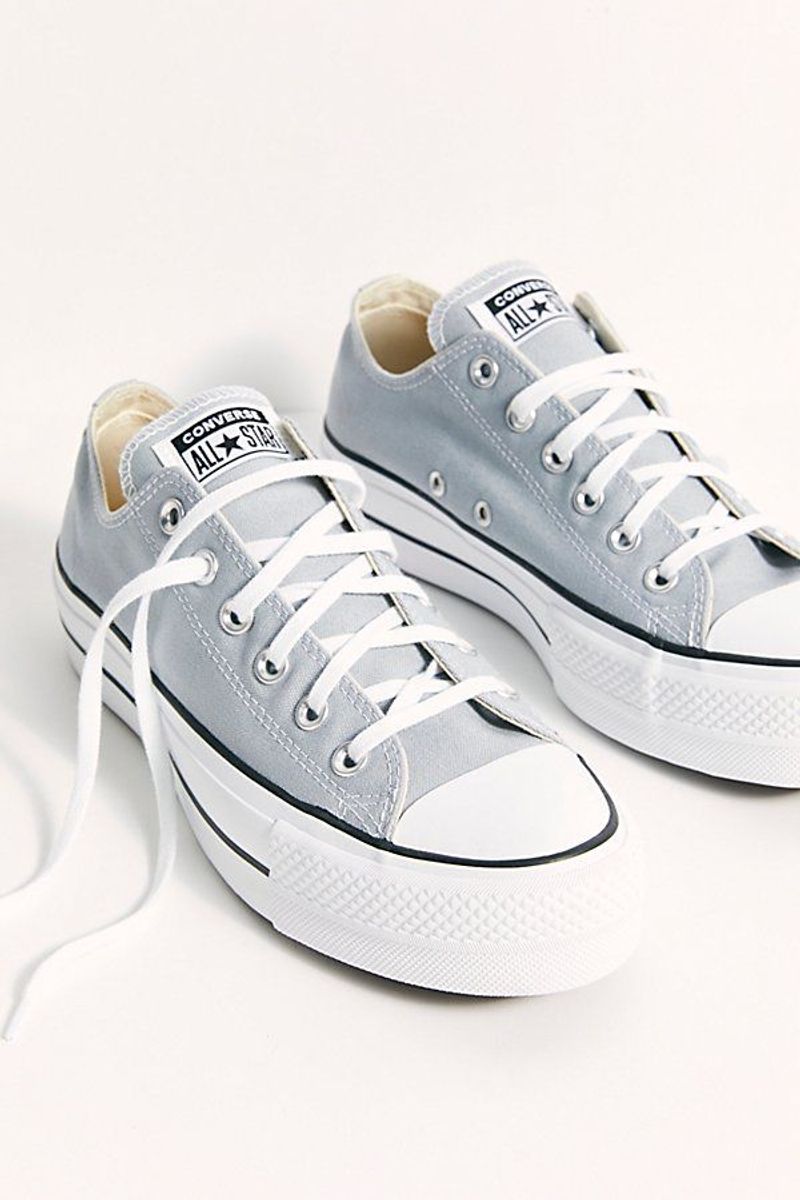
The iconic Converse Chuck Taylor All Stars have graced wardrobes for decades. Their timeless appeal is undeniable, yet their suitability for running remains questionable. With flat soles and minimal arch support, they lack the structural integrity required for running. This can lead to discomfort and potential injury over time. They’re fantastic for casual wear, exuding a cool, retro vibe.
However, when it comes to performance, they fall short. Runners need shoes that absorb shock and provide stability, something these classics don’t offer. A style icon, yes, but perhaps not a runner’s best friend.
4. Generic No-Name Brands
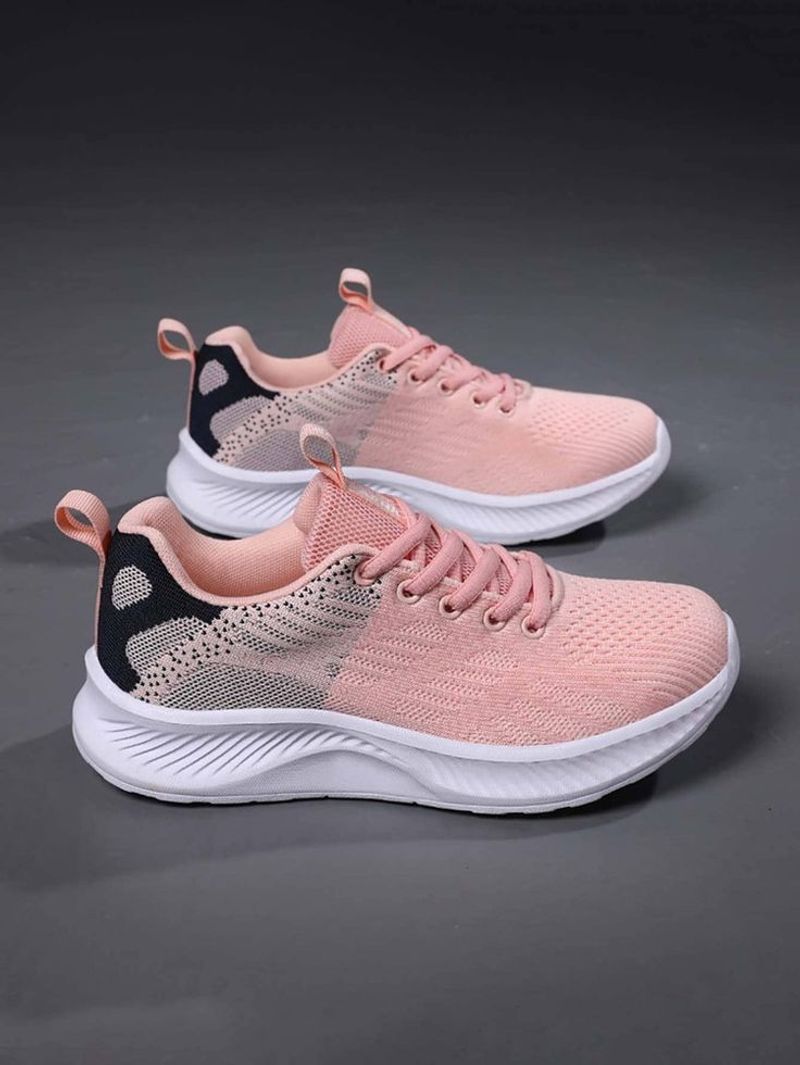
Sometimes a good deal isn’t as good as it seems. Generic no-name running shoes might appeal with their low price, but they often compromise on quality. The materials used can be subpar, resulting in poor support and durability. This lack of attention to construction can lead to discomfort after prolonged use. Imagine the disappointment of shoes that wear out quickly, leaving you without reliable footwear.
While they might work for occasional use, serious runners could find themselves regretting the purchase. Investing in shoes that prioritize quality over cost can prevent long-term issues.
5. Old Navy Active Sneakers
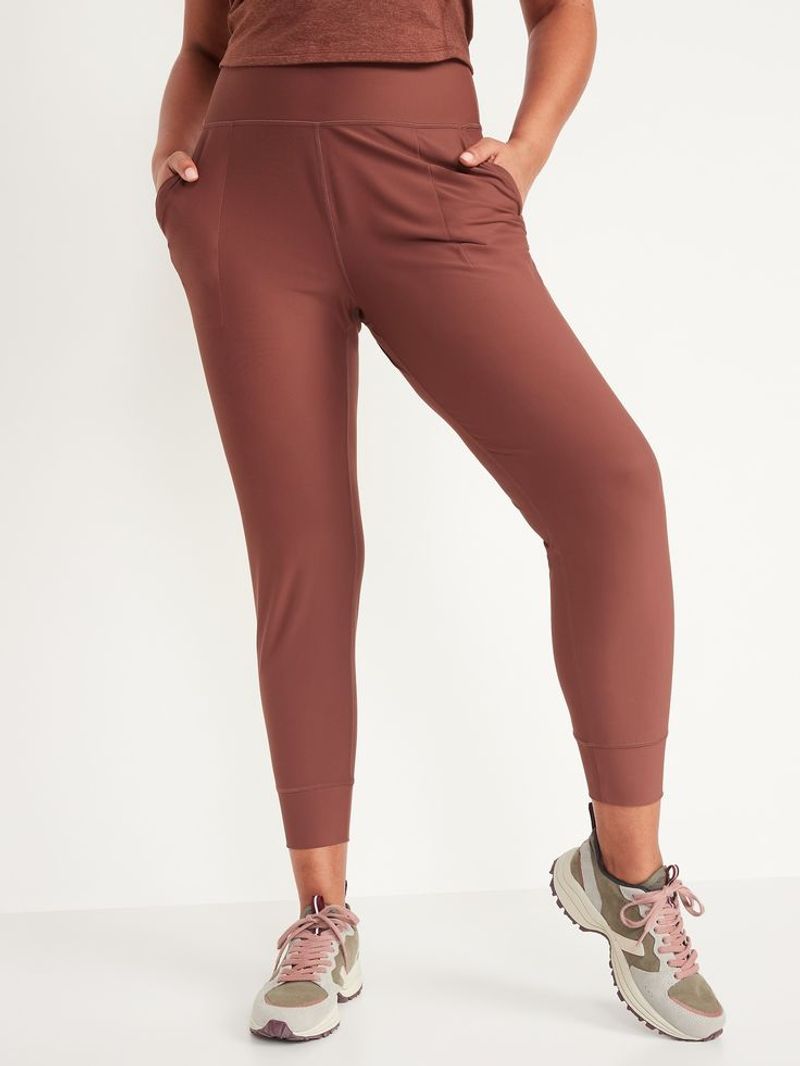
While Old Navy Active Sneakers offer affordability, they might not deliver in performance. Designed with a focus on budget, these shoes can lack the essential cushioning needed for running. Over time, this deficiency becomes apparent, especially during longer workouts. They may be suitable for light activities but aren’t ideal for intense running sessions.
The minimal support can lead to discomfort and potential foot strain. While they fit the bill for cost-effectiveness, runners seeking durability and comfort might look elsewhere. The initial savings may lead to future expenses if replacements become necessary.
6. H&M Athletic Shoes
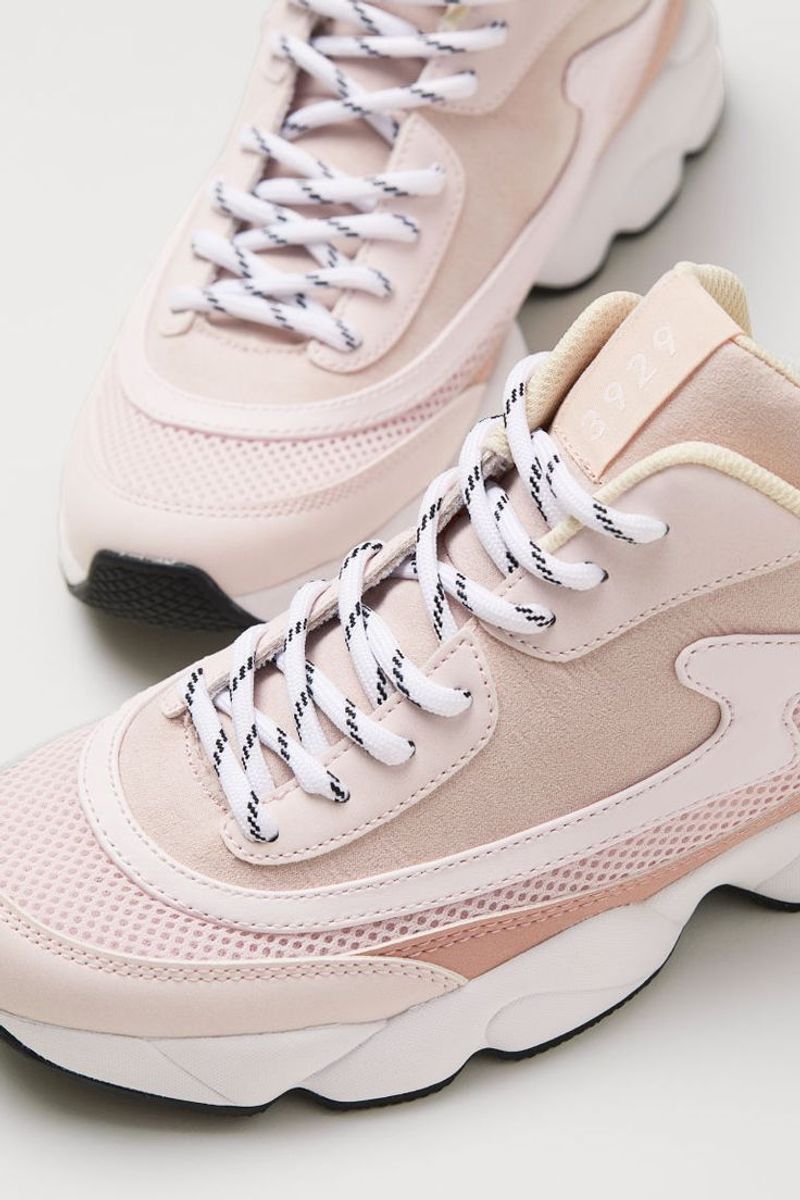
H&M Athletic Shoes bring style to the forefront, but this often comes at a cost to performance. Primarily fashion-focused, their design doesn’t always include the support features needed for running. The shoes can feel flat and insufficient during high-impact activities.
While they complement a trendy wardrobe, they may not sustain the demands of serious runners. This gap between style and function can leave athletes searching for more specialized footwear. While visually appealing, they might not hold up under the stress of athletic use. They’re an option for fashion-forward individuals, but not hardcore runners.
7. Forever 21 Active Sneakers
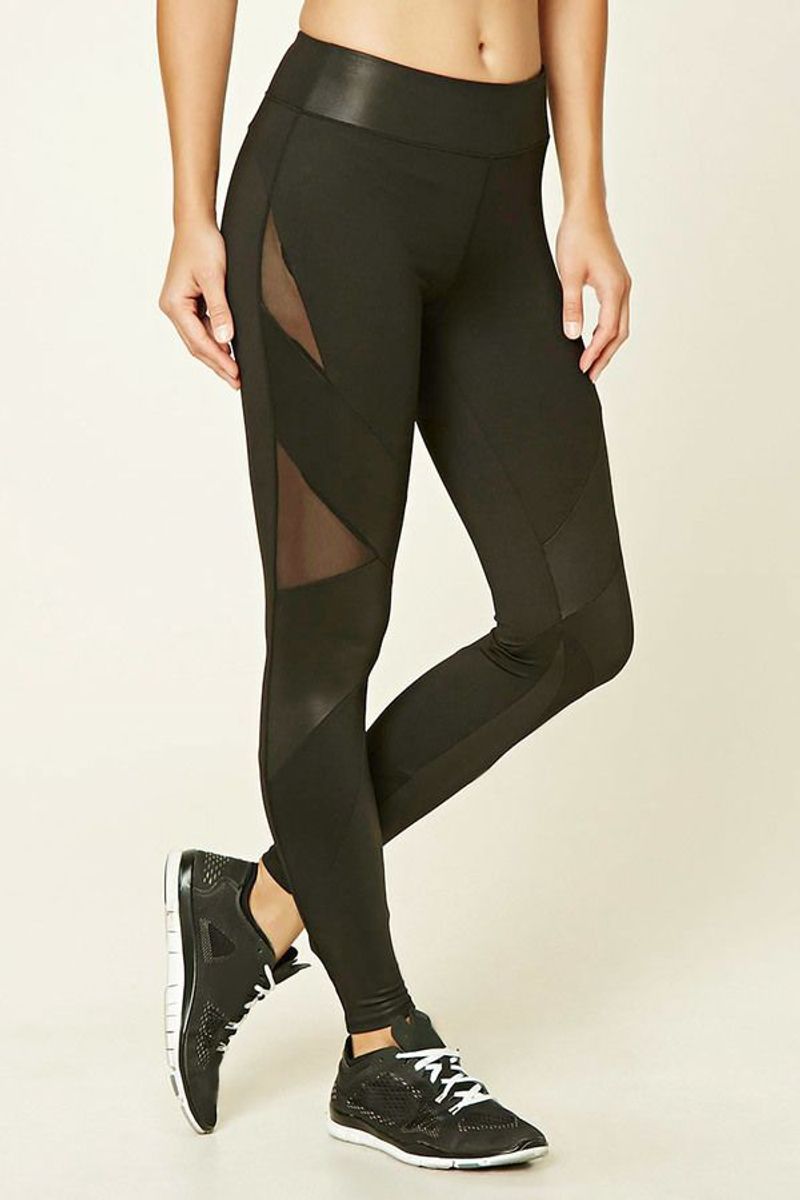
Forever 21 Active Sneakers prioritize aesthetics, which can detract from their athletic capabilities. These sneakers, while trendy, often lack the support and cushioning needed for running. Their design caters more to fashion-conscious consumers than athletes.
During prolonged use, the absence of essential features can lead to discomfort. While they make a stylish statement, they might not provide the reliability expected from athletic footwear. For those who run regularly, these sneakers might not meet performance needs. They offer allure in design but may fall short in delivering comfort and support.
8. Payless Running Shoes
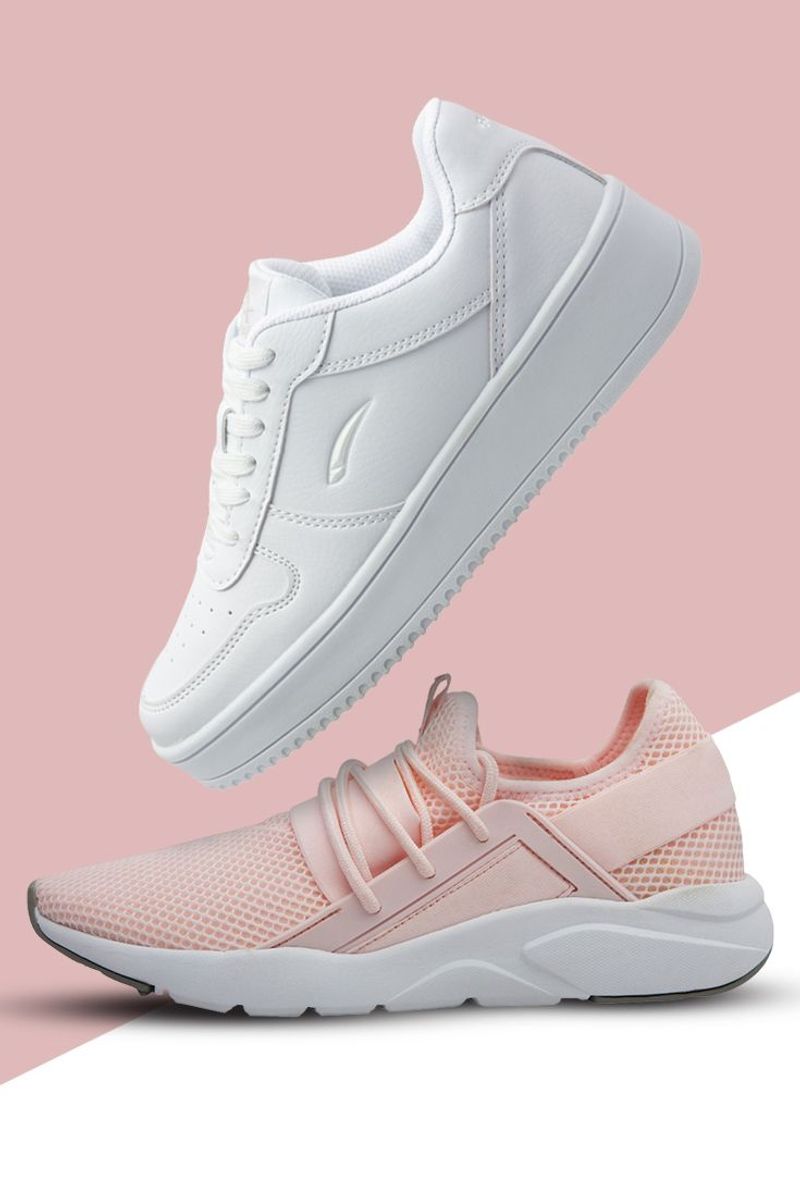
Payless Running Shoes often attract buyers with their cost-effectiveness. However, this affordability can come with trade-offs in quality and support. Some models might skimp on essential comfort features like arch support and cushioning. This can result in a suboptimal running experience, particularly for those who engage in regular exercise.
While they are budget-friendly, the lack of durability and support could lead to quicker wear and potential foot issues. For runners seeking long-lasting and comfortable shoes, investing a bit more might prove beneficial. Payless offers a starting point, but possibly not a long-term solution.